Stage 01
Nursery / Seedling
Raised trays, hair cover, mask, gloves, and waterproof tray tag before transplant approval.
A low-cost, high-trust digital platform engineered to assist regional farmers in processing medical cannabis crops in strict alignment with international quality standards. Elevate local harvests to meet WHO/EU-GACP cultivation guidelines and EU-GMP post-harvest standards. Register test-ready batches, track independent ISO/IEC 17025 laboratory verification, print compliant package labeling, and prepare certified stocks for final control and commercial export through CODEP.
The portal is designed to present a buyer-facing standard of discipline: registered genetics, supervised cultivation, harvest intake, bagging, laboratory release, secure storage, and inspection-ready export files.
Tray tags, mother plant source, genetics, nursery date, and propagation batch ID.
Grow-bag tags, field rows, irrigation logs, organic input records, and inspection notes.
Wet weight, tote labels, rack assignment, humidity logs, and drying-room movement.
Tamper seals, quarantine stickers, sample labels, transport manifests, and COA gatekeeping.
CODEP vault labels, buyer inspection references, export file review, and final release control.
Download the full operating guide for farmers and CODEP supervisors. The guides explain each gate, required photos, warehouse layout, barcode stickers, quarantine control, lab release, secure storage, and export readiness.
Nursery, transplant, cultivation, harvest, drying, packaging, laboratory release, secure storage, and buyer inspection.
The guide shows what to photograph, what to label, which evidence to keep, and when CODEP should hold or release a batch.
The PDFs include process flowcharts, warehouse corrective actions, quarantine decisions, and inspection pack requirements.
These reference images show the acceptable presentation standard for CODEP-supervised production: PPE, clean handling, visible labels, barcodes, separated stock, pallets/shelves, and buyer-ready storage. Farmers should photograph their own stage against these references before CODEP signs off movement to the next gate.
Raised trays, hair cover, mask, gloves, and waterproof tray tag before transplant approval.
Labeled bags, row spacing, drip irrigation, field log, gloves, boots, and visible supervisor check.
Clean totes on pallets, rack assignment, masks, gloves, shoe covers, and no floor contact.
Upright bags, no unsafe stacking, tamper labels, batch separation, PPE, and quarantine status.
Approved stock on shelves, visible labels, inspection zone, sample pouches, and vault control.
Trace a batch's journey from seeding to export. Click on any gate in the interactive map below to view the involved standards, operational constraints, required paperwork, and media references.
Cuttings taken from certified mother plants are inserted into peat plugs. All cloning trays are elevated off the bare ground on custom wooden benches to prevent contamination from waterborne soil pathogens.
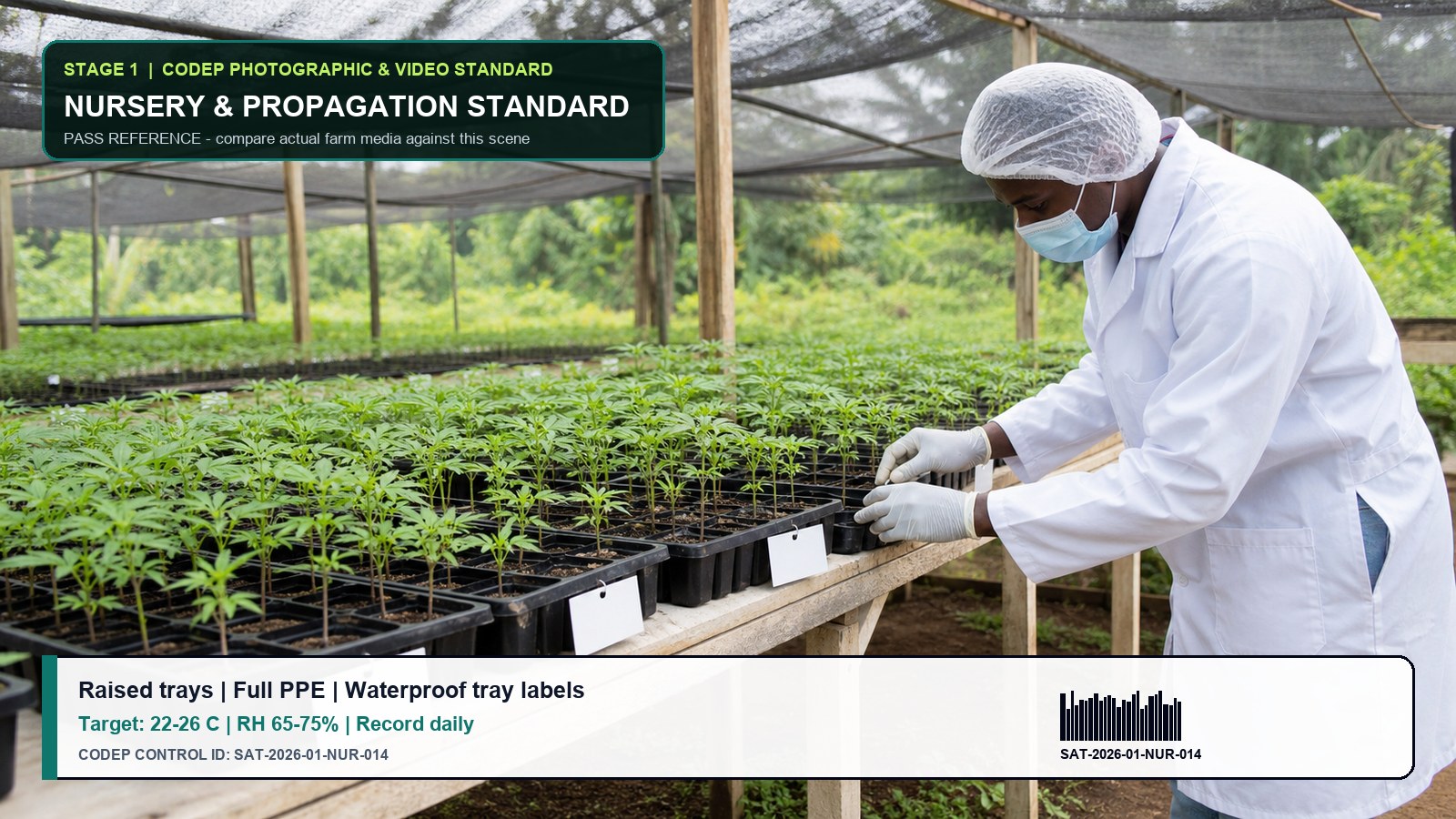
Figure 1.1: Young cuttings in cell-line propagation trays are tagged with plastic T-tags and checked for initial rooting.
Open chronological manual for full media playerThis guide translates medical GACP and GMP guidelines into practical, low-cost operational steps. Review the photos and videos captured on-site to verify proper setups.
Technicians in the field can load an image taken from their current work area to compare it directly alongside the descriptions of our high-standard operational reference files. Upload a picture from the greenhouse or dry room.
International standards require physical and logical segregation of untested material. Untested bags are quarantined and can only move to testing laboratories. Once a lab report is filed, batches are officially approved and released.
Raw medical cannabis flowers must be bagged in commercial food-grade plastic or woven bags directly in the trimming room. All bags are tied and locked with high-security, uniquely numbered security seals. Until lab results prove compliance (THC, CBD, moisture, and absence of heavy metals/microbes), all bags are marked as **UNTESTED** and placed in the red-bordered quarantine zone. They **CANNOT** be sold, inspected by prospective buyers, or mixed with certified stock. If a batch fails testing, it is destroyed under CODEP supervision.
For verification of compliance, testing data must be logged by an independent certified lab. Fill out the form below to register a test report and generate a Certificate of Analysis (COA) to release quarantined batches.
No report loaded yet
Select a quarantined batch, input testing values, and submit to compile an official Certificate of Analysis.
Use this against warehouse, bagging, harvest, lab-transfer, and storage photos. If workers are not correctly dressed, bags are stacked or unlabelled, barcodes are missing, or the area is disorganised, the platform records the issue and generates a corrective-action report before movement approval.
Generate controlled labels for nursery trays, grow bags, harvest totes, quarantine bags, lab samples, tested bulk bags, and CODEP secure storage. Each printable sticker carries the batch ID, custody stage, security seal, QR trace reference, and machine-readable barcode needed for international-standard handling.
Maintain audit readiness by tracking moisture profiles, projected processing yields, and historical greenhouse climates required under GACP guidelines.